Understanding the Basics of Van Conversion Electrics
Embarking on a van conversion journey can be an exhilarating experience, blending freedom, adventure, and practicality into one customizable mobile home. One of the most critical aspects of transforming a van into a livable space involves understanding its electrics. Properly designed electrical systems ensure you have reliable power for lights, appliances, and other necessities. This guide delves into the intricacies of van conversion electrics, including the essential components, considerations for battery and solar systems, and wiring best practices. For those considering the logistics of online resources related to campervan projects, visiting rokok88 slot login can provide comprehensive insights.
What is Van Conversion Electrics?
Van conversion electrics encompass all electrical components and systems installed in a campervan. This includes wiring, batteries, solar panels, inverters, chargers, and any electronic devices that may be powered by these systems. Understanding how each element works in harmony is crucial to creating a safe and efficient electrical setup.
Importance of Quality Wiring
Quality wiring is fundamental for any van conversion. It ensures safety, prevents electrical failures, and contributes to the overall efficiency of the camper's electrical system. Poor wiring can lead to short circuits, overheating, or even fires, making it essential to use the right type of wires, connectors, and fuses.
Common Electrical Components Explained
- Batteries: Store energy for use when the vehicle is not running.
- Solar Panels: Capture sunlight to generate electricity, reducing reliance on external power sources.
- Inverters: Convert DC power from batteries to AC power needed for household appliances.
- Chargers: Maintain battery levels by converting AC power to DC power.
Choosing the Right Battery Size for Your Campervan
Selecting the appropriate battery size is essential to meet your power needs without overburdening the system. Several factors influence the capacity you require, including how much energy you plan to use, the types of devices you will power, and your travel habits.
Factors that Determine Battery Size
- Power Consumption: Calculate your energy needs based on devices you plan to use.
- Duration Away from Power Sources: Longer trips will require larger battery banks.
- Type of Activities: Off-grid camping requires more energy than simply visiting campsites with hookups.
How to Calculate Required Battery Capacity
To determine the battery size needed, first identify the watt-hours (Wh) consumed by devices you plan to use. For example, if you use a 60W fridge for 10 hours, that’s 600Wh. Adding up all your devices will give you a total watt-hour consumption. Then, divide that number by the system voltage (12V or 24V) to find the amp-hour (Ah) rating needed.
Best Battery Types for Van Conversions
Several battery types are available for van conversions, including:
- Lead-Acid Batteries: Cost-effective but heavier; suitable for infrequent use.
- Lithium-Ion Batteries: Lightweight, longer lasting, and can be discharged more deeply.
- AGM Batteries: Absorbent Glass Mat batteries combine benefits of lead-acid and lithium, offering good performance.
Solar Setup for Your Campervan
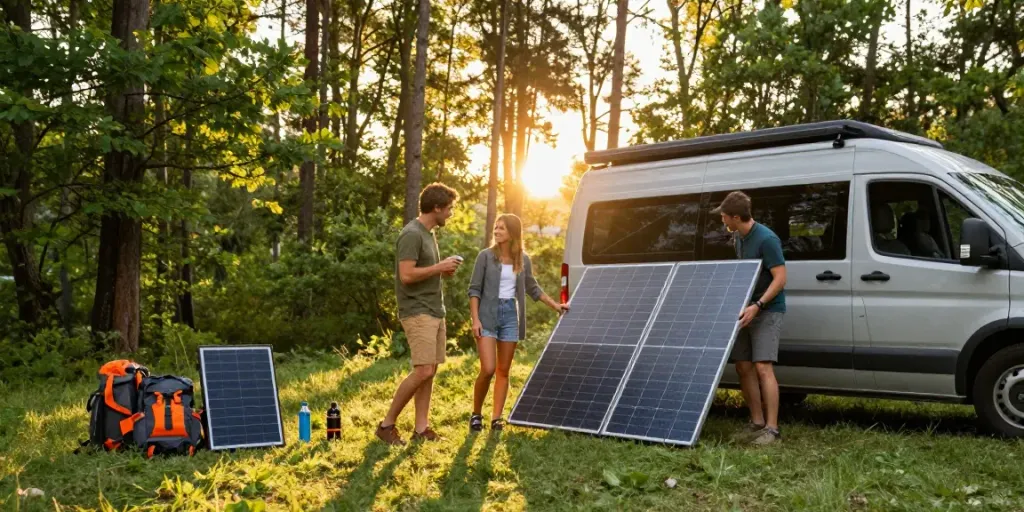
Solar energy is a game-changer for those seeking to live off-grid. By harnessing the sun's power, you can reduce dependency on batteries and charging sources, making your campervan truly self-sufficient.
Why Go Solar? Eco-Friendly Benefits
Using solar panels offers significant environmental benefits. Not only do they reduce your carbon footprint, but they also help lower your energy costs in the long run. Moreover, solar systems require minimal maintenance once installed, allowing you to focus more on your adventures.
How to Choose Your Solar Panel System
Selecting the right solar panel system involves considering factors such as your energy needs, available roof space, and budget. Typically, a good starter system might include 200-400W of solar panels, depending on your power consumption. It's also crucial to select high-quality panels from reputable manufacturers to ensure efficiency and durability.
Installation Tips for Solar Panels
- Ensure the roof is clean and structurally sound before installation.
- Position panels for maximum sun exposure; tilt is often beneficial.
- Securely mount panels using appropriate brackets and sealant to prevent leaks.
Insulating Your Van: A Key Step in Conversion
Insulation plays a crucial role in van conversions, impacting both comfort and energy efficiency. Proper insulation helps maintain temperature control, reduces noise, and minimizes moisture buildup.
Why Insulation is Essential
Without proper insulation, your campervan can become uncomfortably hot in summer and frigid in winter. Insulation saves energy by reducing the need for heating and cooling systems, thus enhancing battery life.
Choosing the Best Insulation Material
- Foam Board: Offers high R-value per inch and is easy to install.
- Spray Foam: Provides excellent insulation, fills gaps, and reduces air leaks.
- Fiberglass Batts: Cost-effective but can be harder to install and may absorb moisture.
Installation Process and Tips
Before installing insulation, ensure any moisture is resolved within the van. Cut insulation panels to size, tightly fit them into cavities, and use vapor barriers to prevent moisture accumulation. Seal gaps with spray foam or silicone sealant to minimize drafts.
Finalizing Your Van Conversion: Wiring and Testing
Once the insulation and electrical components are in place, it’s time to wire everything correctly and test your system. This final step is crucial to ensuring that everything works harmoniously and safely.
Best Practices for Wiring Your Camper
- Use color-coded wires for easy identification.
- Incorporate fuses to protect against short circuits.
- Ensure all connections are tight and well-insulated.
Testing Your Electrical System
After wiring, thoroughly test your electrical system. Check that all lights, outlets, and appliances function as intended. Use a multimeter to verify voltages and ensure everything is operating efficiently.
Common Pitfalls to Avoid During Setup
- Neglecting to plan your system based on realistic energy consumption.
- Overloading circuits leading to blown fuses or worse.
- Using low-quality materials that compromise safety and efficiency.
What to Do If Your Van's Electronics Fail?
If you experience electrical issues, start by checking all connections and fuses. A systematic approach to troubleshooting can often identify simple problems quickly. If the issue appears complex, consider consulting with an electrician who specializes in camper electrical systems.
How Can You Optimize Your Setup for Better Efficiency?
To improve energy efficiency, utilize LED lighting, energy-efficient appliances, and install a battery monitoring system. Additionally, regularly assess your energy consumption habits and adjust them to minimize unnecessary usage.
What Are the Future Trends in Van Conversion Electrics?
The future of van electrics is leaning towards higher efficiency and sustainability. Innovations such as more advanced solar technologies, smart battery management systems, and integrated energy solutions are becoming increasingly popular. As technology evolves, expect to see more options for smart home integrations, allowing for enhanced control over your campervan's electrical features.